


Over 300 million people worldwide live with a rare disorder, yet fewer than half receive a genetic diagnosis and over 95% lack disease-specific treatments. Current diagnostic approaches focus largely on protein-coding regions, missing important variants in non-coding exonic regions such as untranslated regions and non-coding RNAs. Studying these regions can uncover new diagnoses, reveal disease mechanisms, and accelerate the development of targeted therapies.

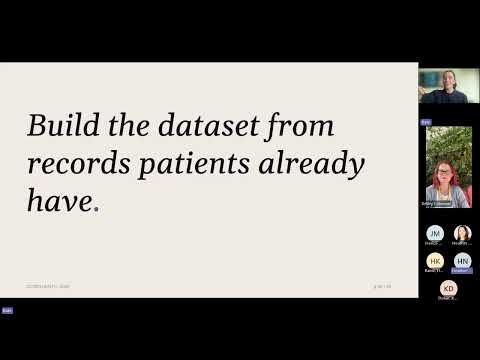
Geo explains the benefits of using Citizen Health
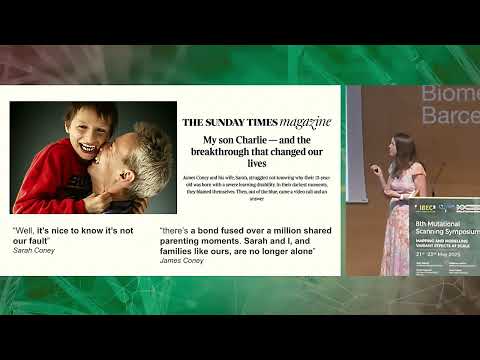
Nicola Whiffin presents "Interpreting variation in small nuclear RNAs in neurodevelopmental disorders" at the 2025 Mutational Scanning Symposium

Standardized genome sequencing and phenotyping of large patient cohorts provide an opportunity for discovering the unknown etiologies. Here we demonstrate our computational approach to rare disease association analysis on the 100,000 Genomes Project dataset, comprising building a compact database, the "Rareservoir", containing rare variant genotypes and phenotypes, and applying our rare disease association method "BeviMed"…
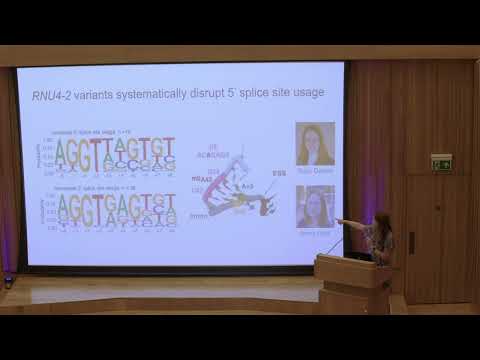
Recorded at St Anne's College, University of Oxford on 29th April 2025.
This event brought together key people involved in the discovery of ReNU syndrome, a condition affecting development and learning which was first identified last year yet potentially impacts tens of thousands of families across the world.
Hearing from experts involved in the discovery, this event reflected on the importance of genomic diagnosis for rare conditions and the factors necessary both to identify new conditions, and to learn about what they might mean for patients and families.
The focus of the evening was around the discovery process and the broader implications of receiving a genetic diagnosis, rather than specific practical implications of a ReNU syndrome diagnosis. Where speakers give permission, talks will be available on our website shortly after the event.


Now that we have a diagnosis, what’s next? One of the most critical steps is to gather data to learn more about ReNU syndrome, so that we can apply these learnings towards treatment options. We’re using the Rare-X Data Collection Program to power the research forward.
28 February 2026
Rare diseases affect 1 in 12 Canadians: Toronto family shares diagnosis experience